When I started digging into my family tree, I didn’t expect much. A few farmers, maybe a blacksmith or two but not a haunted castle and a colonial governor. Yet here we are.
You might remember my 12th great-grandfather, James Shaw—the charming fellow who allegedly drove his wife to leap to her death from Ballygally Castle. (Family reunions must’ve been awkward.) James was on my paternal great grandmother’s side of the family. But the real surprise came when I traced my paternal great-grandfather’s line and stumbled upon Henry Bull, my 10th great-grandfather. He was born around 1610 in England (or maybe South Wales; record-keeping wasn’t exactly a thing back then) and at age 25, he hopped aboard the ship James and sailed to America, settling in Roxbury, Massachusetts Bay Colony.
Following dissident ministers John Wheelwright and Anne Hutchinson, Henry got himself excommunicated from the Roxbury Church. Surprise! I have an ancestor with a rebellious streak.
He, along with several other Wheelwright followers, headed to Aquidneck Island where he helped found Portsmouth. That’s where he met and married Elizabeth, my 10th great-grandmother.
A year later, he packed up again and followed William Coddington, heading south on the island where they established the colony of Newport.
I am beginning to understand where I get my sense of adventure because it’s pretty clear that Henry didn’t believe in staying put.
He wasn’t just a settler though—he was a mover and shaker wearing the hats of Commissioner, sergeant, and assistant. As sergeant, he even ran the colony’s prison and built a house next door that stood for 300 years before a fire claimed it. Talk about prime real estate.
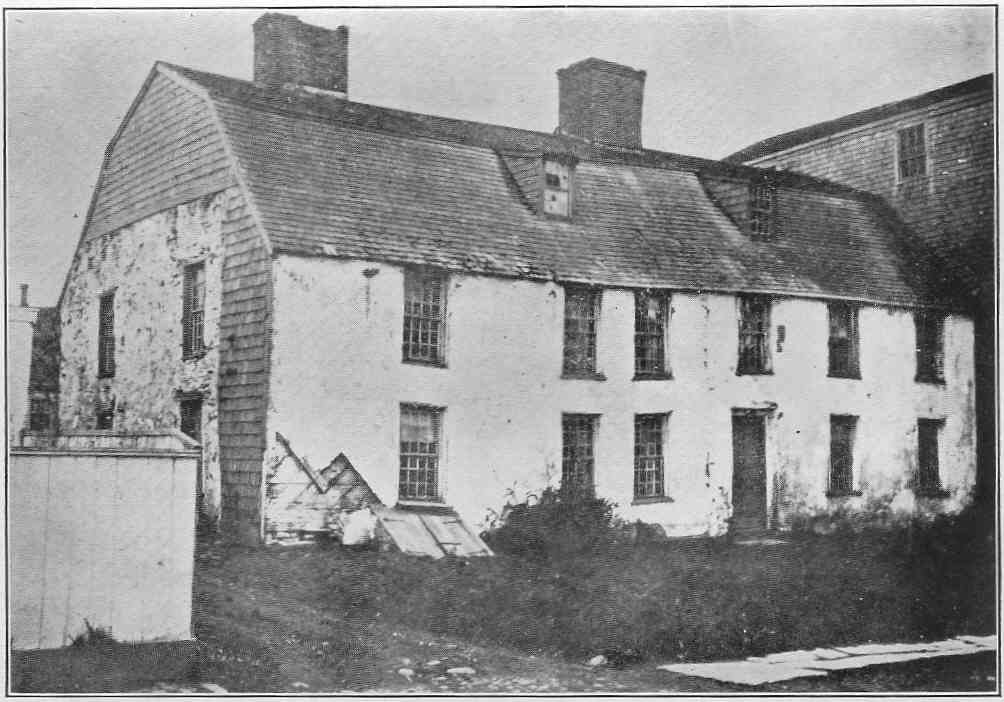
In 1685, the king threatened the colony, so at the ripe old age of 75, Henry stepped up as Governor of Rhode Island. Yes, my ancestor was the governor! He served a year before being replaced by a royal appointee, but when the monarchy shifted, Henry reclaimed the governorship and restored Rhode Island’s original charter. He was known to be fearless, honest, and apparently allergic to signatures—Henry couldn’t write his name and used a mark instead. (Who said you need good penmanship to make history.)
Sadly, Henry outlived Elizabeth—and his second wife. But he wasn’t ready to retire from married life. Plus, they say third time’s a charm, right? Henry married Ann Easton, who just happened to be the widow of another Colonial Governor, Nicholas Easton. (Talk about keeping it in the executive circle.)
The family’s political networking didn’t stop there. Henry’s grandson, Jireh, married into yet another famous line when he wed Godsgift Arnold—yes, that was her real name—the daughter of Benedict Arnold. And because this family apparently loved a good power couple, Henry’s grandchildren also married grandchildren of John Coggeshall, another colonial president. It seems my ancestors weren’t just founding towns—they were founding dynasties.
Henry died in 1694 and rests in Coddington Cemetery in Newport.

 worldofweeks